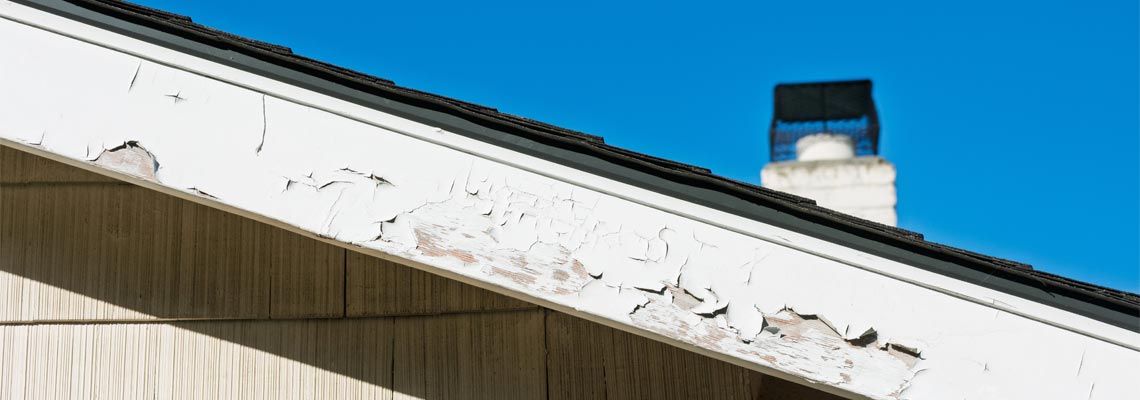
Understanding wear and tear
Wear and tear is an inevitable part of owning and managing rental properties. Yet, many landlords and tenants still struggle to distinguish natural deterioration from actual damage.
A 2024 survey found that while 66% of people believed they had a good understanding of wear and tear, 62% were unable to correctly identify it when given real examples. This gap in understanding can lead to disputes, failed insurance claims, and unexpected costs.
What is wear and tear?
Wear and tear refers to the natural, gradual deterioration that occurs in a property over time through normal use. It is unavoidable and expected, and it happens even when tenants take good care of the home.
Common examples of wear and tear include:
- A hole in the arm of a sofa where it's worn
- Faded or chipped paintwork
- Scuff marks on walls, doors, floors, and skirting boards
- A 20 year old kitchen appliance that's stopped working from age
- Worn carpets from regular footfall
This type of deterioration is not caused by neglect or misuse - just everyday living.
How is wear and tear different from damage?
It’s important to distinguish natural wear from actual damage, which results from carelessness, recklessness, or malicious behaviour.
Examples of damage include:
- Broken or cracked windows
- Significant staining or burns on carpets or floors
- Holes or large dents in walls or furniture
- Scratched or torn upholstery
- Burned kitchen worktops
Unlike wear and tear, damage is not an expected outcome of normal use and may result in a deduction from a tenant’s deposit.
Who is responsible for wear and tear?
The landlord - not the tenant - is responsible for wear and tear. Since wear and tear naturally occurs over time, tenants cannot be held financially responsible for its effects.
Is wear and tear covered by insurance?
Put simply, no. Wear and tear is not covered by Zurich Property Owners insurance.
The policy excludes:
- Wear and tear
- Gradual deterioration
- Latent defects
- Inherent vice
- Faulty design or materials
These exclusions are standard across Property Owners and Landlord insurance products.
This means landlords must plan for maintenance and replacement costs associated with ageing features and fixtures.
How landlords can reduce wear and tear?
While it can’t be avoided, landlords can take steps to slow down wear and tear and keep their property in good condition:
- Carry out regular inspections to spot issues early
- Use durable materials, such as hard wearing carpets and moisture resistant paint in kitchens and bathrooms
- Keep up with repairs and maintenance to prevent small issues developing into bigger ones
- Replace appliances and items once they reach their natural end of life
Proactive care helps extend the lifespan of fittings and reduces long-term costs.
What tenants can do to minimise wear and tear?
Even though tenants aren’t responsible for wear and tear, they can help reduce unnecessary deterioration.
Landlords can encourage tenants to:
- Ventilate the property regularly to prevent condensation and mould
- Report problems early to avoid minor issues becoming major damage
- Clean white goods regularly to maintain performance and avoid breakdowns
Clear communication between landlord and tenant goes a long way in maintaining the property.
Useful resources
Landlords seeking more guidance may find additional support from:
Sign up to our newsletter
Contact Zurich for brokers
Featured articles


Unmasking PFAS: What businesses need to know about “forever chemicals”