London’s luxury watch theft crisis: what insurers and clients need to know
London is gripped by a persistent wave of high-value watch theft, presenting a significant challenge for insurers and their clients.
With roughly 6,000 luxury watches stolen each year with a total estimated street value of £30 million, the financial fallout continues to be substantial.
Yet, the true impact extends far beyond simple monetary loss, increased claims frequency, emotional trauma, difficulties in recovery, and reputational risk for brands and individuals alike. It is why it demands a robust response from insurers, involving not only diligent underwriting but also targeted client escalation and education initiatives to improve client readiness.
Concentrated risk and predictable hotspots
Theft of luxury watches in London is highly localised with the central boroughs Westminster, Kensington & Chelsea, and Camden account for most losses, with micro-hotspots such as Soho and Mayfair emerging as perennial risk zones. These areas attract thieves due to their dense luxury retail presence, vibrant nightlife, and influx of international visitors.
For insurers, this means aggregation risk is no longer incidental. Increasing the importance of policy structures and client advice to directly reflect geographic exposure, ensuring escalation protocols are tailored to these high-risk environments.
Criminal methods and escalating severity
Organised gangs, dubbed as “Rolex Rippers”, employ increasingly sophisticated tactics. Spotters inside exclusive bars, clubs, and restaurants identify individuals wearing high-value watches, before victims are ambushed, often violently, by offenders on e-bikes or mopeds.
Recent reports highlight the use of weapons, such as machetes, and deception techniques including posing as drug dealers or offering sexual services, all aimed at isolating victims in quieter streets. Whilst Rolex remains the most targeted brand, a shift towards ultra-high-end timepieces has become more evident. Notable incidents include the theft of a £325,000 Patek Philippe and a ram-raid at a Knightsbridge Rolex boutique. The human cost can also be profound as seen by one robbery in Richmond which resulted in the tragic death of a shop manager underscoring the escalating severity of these crimes.
Claims reality and the need for escalation
From an insurers standpoint, recovery rates are exceptionally low as only one in 88 stolen luxury watches is ever retrieved. Rapid exportation and dismantling for parts render subrogation almost useless. As a result, insurers must treat most theft claims as total losses from the outset and shift focus to proactive loss prevention. This necessitates a structured client escalation framework, particularly for high-value watch owners in London. Enhancing engagement should include risk briefings at policy inception and renewal, mandatory valuation and documentation checks, and explicit education about behavioural risks in known hotspots.
Integrating client education and escalation
Education should be embedded within escalation strategies, not left as informal advice which is why tiered interventions are recommended, with intensive support for clients who own multiple high-value watches or live high-risk lifestyles. It is important to emphasise discretion, mindful social media usage, awareness of travel and nightlife risks, and the overriding principle that no possession is worth personal harm.
Whilst policing initiatives such as undercover officers wearing luxury watches have reduced thefts in targeted locations, insurers cannot rely solely on enforcement, clear policy conditions and better client engagement continue to be vital in protecting against such incidents from occurring.
Risk guide: protecting yourself and your timepiece
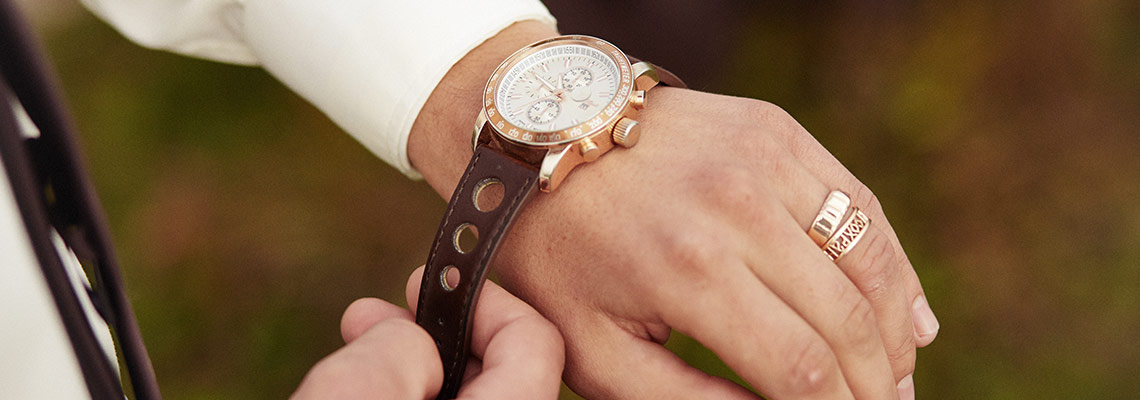
To mitigate risk, individuals should remain vigilant in London’s luxury retail and nightlife districts, especially when entering or leaving venues. Visibility management is crucial; keep your watch covered, avoid adjusting it in public, or consider wearing a less valuable piece in risky settings can all acts as a deterrent.
- Online discretion, avoid real-time posting of photos or information that could potentially reveal your location or routine
- Trust your instincts: if approached by strangers offering assistance or services
- Stay in populated and well-lit areas
- Never follow unknown individuals
- Prioritise personal safety; if confronted, comply and seek help once safe
London’s luxury watch theft crisis has become systemic, requiring insurers and their clients to rethink their approach to risk. Those who harness geographic intelligence, embed behavioural education, and implement formal escalation strategies will be best placed to protect clients, manage loss ratios, and secure portfolio sustainability in an increasingly challenging environment.
Sign up to our newsletter
Contact Zurich for brokers
Featured articles