Why allotments matter more than ever
Allotments are about far more than growing food.
At a time when communities are facing challenges around wellbeing, social connection and access to nature, these spaces are helping people, communities and wildlife thrive. Research increasingly shows that allotment sites can play an important role in supporting physical health, mental wellbeing, community resilience and biodiversity.
Supporting health and wellbeing
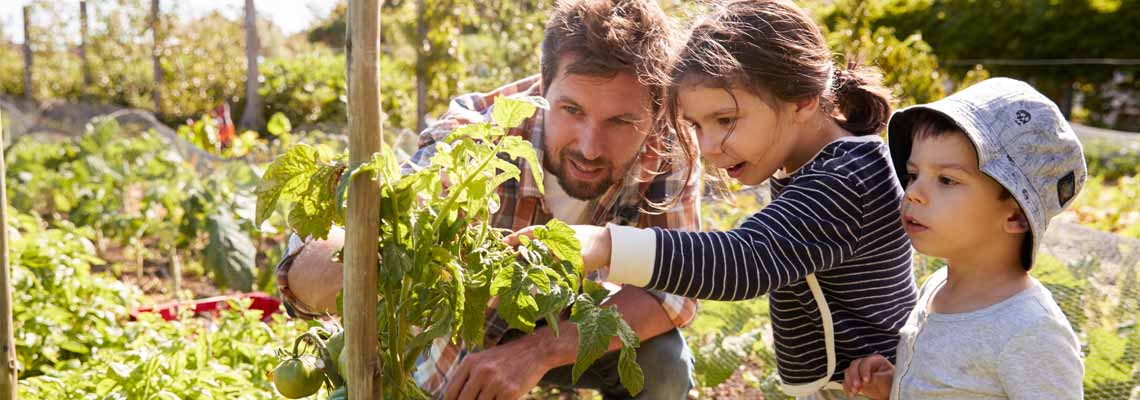
The mental health benefits of allotments are increasingly recognised by health professionals, researchers and policymakers. At a time when many communities are experiencing rising levels of stress, loneliness and anxiety, allotment sites offer an accessible way for people to connect with nature, stay active and build meaningful social relationships.

More recent evidence from the Royal Horticultural Society (RHS) found that people who garden every day have wellbeing scores 6.6% higher and stress levels 4.2% lower than people who do not garden at all. The study, which surveyed more than 6,000 people, also found a clear association between more frequent gardening and higher levels of physical activity and wellbeing.
The benefits are increasingly recognised within the healthcare sector. NHS England's Green Social Prescribing programme highlights a growing evidence base showing that nature-based activities, including community gardening projects, can improve mental and physical health while helping to reduce loneliness. Community growing spaces and allotments are therefore becoming an important part of efforts to deliver preventative, community-based health interventions. The social connections formed through allotment gardening can be just as valuable as the physical and mental health benefits.
Organisations such as The Conservation Volunteers (TCV) support these objectives through programmes that connect people with nature, community activities and green spaces to improve health and wellbeing.

Bringing communities together
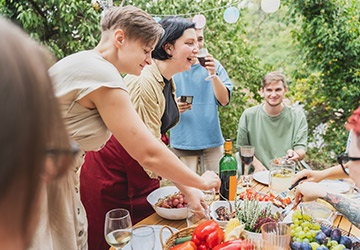
Allotments often become thriving community hubs, bringing together people of different ages, backgrounds and cultures through a shared interest in growing food. The National Allotment Society highlights how allotment sites support volunteering, education, skills sharing and community projects, helping strengthen local social networks.
For local authorities, these spaces can provide an accessible way to encourage community engagement while supporting wider wellbeing and environmental objectives.
Supporting nature and biodiversity
As pressure on green spaces continues to increase, allotments are playing an increasingly important role in supporting local biodiversity and environmental resilience. While often seen as spaces for growing food, allotments also function as valuable wildlife habitats and ecological corridors, particularly in urban areas where access to nature may otherwise be limited.
According to the National Allotment Society (NAS), allotment sites create rich habitats for pollinators, birds, amphibians and insects. Their varied planting schemes, composting areas, ponds, hedgerows and uncultivated corners provide diverse habitats rarely found in intensively managed landscapes.

Beyond biodiversity, allotments can contribute to broader sustainability goals by encouraging local food production, composting, rainwater harvesting and environmental education. Many sites also host school visits, community projects and volunteering programmes, helping people of all ages develop a deeper understanding of nature and environmental stewardship.
From improving wellbeing and strengthening communities, to supporting biodiversity and access to nature, allotments continue to deliver meaningful benefits across the UK. As demand for these spaces grows, protecting and supporting them has never been more important.
Looking for allotment insurance?
Allotments and community gardening projects play an important role in supporting local people, nature and wellbeing. Zurich provides insurance for allotment associations, gardening clubs and other not-for-profit organisations. Visit our gardening and allotment insurance page to find out more.
Sign up to our newsletter
Contact Zurich Municipal
Featured articles

Protecting charity premises during a heatwave: how to prevent theft and keep property secure