Helping councillors to protect their personal safety
Local councillors represent the grassroots of democracy in the United Kingdom. As public servants responsible for taking decisions that shape the communities they serve, they expect their actions to be scrutinised - and even criticised.
But there is growing concern about behaviour by some members of the public that goes far beyond legitimate criticism and can represent a danger to councillors’ personal safety.
Threats, intimidation and abuse – a worrying trend
Evidence suggests local councillors are increasingly exposed to threats and abuse, both in physical and online environments. In October 2024, the Local Government Association revealed nearly three-quarters (73%) of councillors across England and Wales experienced abuse or intimidation linked to their role in the previous 12 months, while nearly one-quarter (22%) had suffered threats of violence.
A separate study published in May 2025 by the University of Liverpool found two-thirds of councillors have been abused on social media. Many councillors who took part in this study shared their concerns about online threats spilling into the real world, with several reporting that their personal details, including home addresses, had been posted alongside abusive or threatening messages.
So what can councillors do to stay safe when interacting with members of the public, and how can councils support them? Here, we consider how risks relating to different settings and scenarios can be managed and mitigated.
Ward surgeries
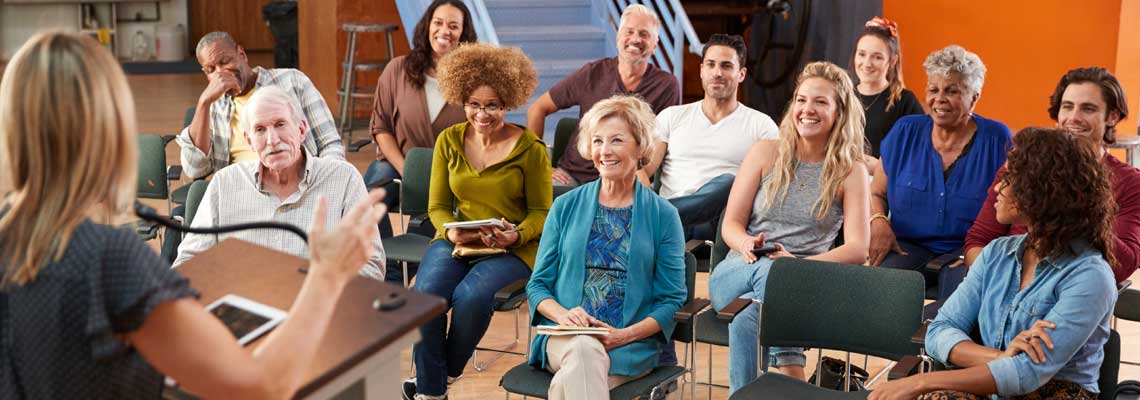
Encourage your members to choose a venue carefully, ideally a building in a busy location with clear access and exits (for example, a library or shopping centre).
Members should be encouraged, wherever possible, to avoid holding a surgery on their own (for example, they could hold a joint weekly surgery with a fellow ward member). If members cannot avoid holding a lone surgery, they should think carefully about the layout of the room they plan to use – e.g. positioning themselves nearest the door so they could make a quick escape in an emergency, and ensuring tables and other surfaces are clear of any items that could be used as a weapon.
Home visits
From time to time, councillors may be asked by members of the public to visit them at home to discuss a concern. Home visits should be advised against unless absolutely necessary. Councillors should encourage alternative ways of meeting (for example, by advertising their ward surgeries prominently, or offering to meet in a public place or online).
If a home visit is unavoidable, councillors should consider ways to minimise risks, for example by bringing a colleague with them.
Location-sharing and personal safety devices
Wherever your members are physically interacting with the public, they should be encouraged to inform someone they trust about their meeting schedule and location, and consider using a location-sharing app or smartphone feature, such as Check In on iPhone.
The Suzy Lamplugh Trust has a useful guide to personal safety apps, alarms and other devices for people working alone.
Online safety
Local councillors – like other public figures – are often the target for online hostility.
But where fair criticism crosses the line into abusive or threatening behaviour, it shouldn’t be simply brushed off or considered “part of the job”.
Encourage your members to block and report any abusive accounts, and take seriously any concerns they raise with you about their online safety.
What else can councils do to support their members?
Many of the suggestions above rely on councillors to exercise individual discretion and caution. But there are a number of practical ways you can support them as a council, for example by:
- Investing in personal security devices for members, e.g. personal alarms
- Helping councillors to risk assess different situations and meeting locations (e.g. locations for ward surgeries)
- Publishing and sharing personal safety guidance (example: Gloucestershire County Council)
- Keeping a database or log of any threats or abuse directed at your members (whether online or offline)
- Supporting members in reporting incidents to the police and other relevant bodies (e.g. social media platforms in the event of online abuse)
- Recognising the emotional impact that threats, abuse or harassment can have on members, and providing (or signposting them to) appropriate sources of mental health and wellbeing support
Further help and support
The Local Government Association has published a comprehensive personal safety guide for councillors, covering some of the topics mentioned above in more detail. The guide also covers other risks/scenarios not mentioned in this article, such as:
- Use of public transport
- Canvassing
- Meeting visitors in your own home
Sign up to our newsletter
Contact Zurich Municipal
Featured articles


The resilience relay: preparing shadow authorities for vesting day and beyond

LGR: What should councils consider when reviewing their property insurance?
