Gas canister risks for housing associations
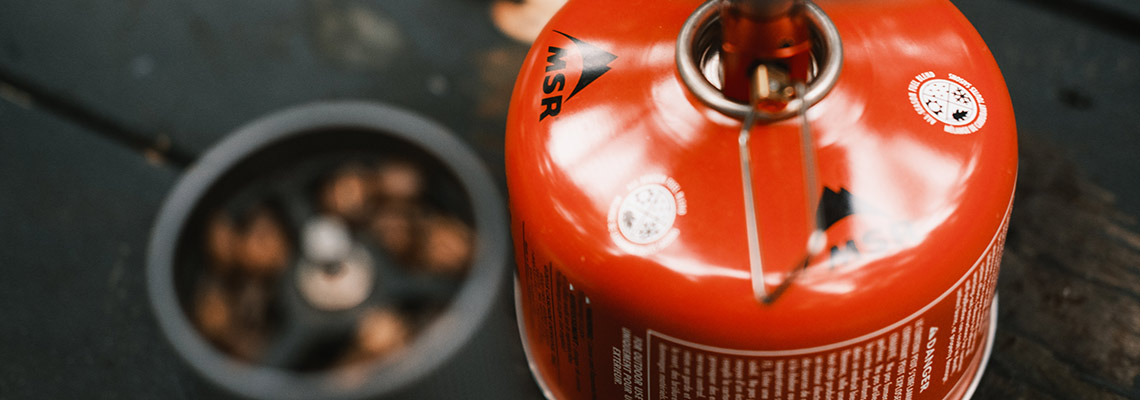
Portable gas canisters, such as butane and propane, are increasingly common in homes because they’re affordable and easy to use.
But in social housing or managed residential settings, they come with serious safety risks, potential financial burdens, and regulatory challenges.
What are the risks of using gas canisters at home?
Fire and explosion risks
Gas canisters store flammable gas under pressure, making them a fire and explosion hazard. If they’re damaged, overheated, or poorly connected, they can leak gas. When gas builds up in enclosed spaces, everyday items like light switches or electrical appliances can spark an explosion. The Regulatory Reform (Fire Safety) Order 2005 requires housing associations to reduce fire risks in shared areas. Storing or using gas canisters in flats, balconies, corridors, or cupboards can spread fires quickly, especially in high-rise buildings or homes shared by multiple residents.
Carbon monoxide risks
Portable gas appliances like heaters and stoves are not meant for long-term indoor use, and poor ventilation can lead to carbon monoxide leaks. Carbon monoxide is a colourless, odourless gas that can cause severe harm or even death. The Housing Health and Safety Rating System (HHSRS) lists carbon monoxide exposure as a top-level hazard. Carbon monoxide incidents can trigger emergencies, rehousing of tenants, and landlord investigations. Vulnerable residents are at higher risk, making this a serious issue.
Storage and policy challenges
Gas canisters should be stored upright, in cool, ventilated areas, away from heat sources. But in practice, they’re often left under sinks, in wardrobes, or near cookers; places where leaks and overheating can happen. The Gas Safety (Installation and Use) Regulations 2018 require landlords to manage fixed gas appliances, but not portable ones, meaning these appliances are often unmonitored. Many housing authorities ban or strictly limit gas canisters in their tenancy agreements and fire safety policies.
What are the costs of using gas canisters at home?
Gas canisters are often a cause of significant and severe losses such as:
- Claims for large property damage and reinstatement
- Costs for moving and rehousing residents
- Damage to tenant’s property contents
- Claims involving personal injury or fatality
- Legal costs and liability disagreements
Gas canister rules and safety measures need to be clear, consistent, and well-enforced. If they’re not, it could mean:
- Delays of your insurance claims
- Increased premiums or stricter terms in future policies
- More scrutiny, which might lead to higher costs or disputes
How can housing associations work with tenants to reduce risk?
To minimise these risks, housing organisations should ensure tenants clearly understand and follow the rules around gas canister use. These policies need to be documented in tenancy agreements and reflected in fire risk assessments when relevant. This ensures everyone understands the expectations and the steps taken to minimise risks.
To maintain a safe environment, housing associations should:
- Communicate regularly with tenants to emphasise the importance of following safety guidelines
- Conduct routine inspections to identify any potential dangers as early as possible
- Take swift action when risks are identified to prevent further safety issues from arising
Housing associations should also look to build a culture of safety by making it easy for tenants to report any unsafe practices or situations. Open lines of communication help to build trust and ensure risks are highlighted before they escalate.
In summary
The use of gas canisters at home is a clear and preventable risk. Tenants should be encouraged to use safer, approved electrical alternatives and to report unsafe practices. Strong policies, proactive communication, and effective risk management are key to safeguarding residents and properties. The emphasis should be on prevention rather than response.
Sign up to our newsletter
Contact Zurich Municipal
Featured articles
Plug-in solar panels raise fresh fire safety and insurance considerations
Why having accurate reinstatement cost assessments is essential for property insurance