Flash flooding after drought: how public services and voluntary groups can prepare
After a long spell of hot, dry weather, many organisations assume flooding is less likely. In reality, drought conditions can increase the risk of flash flooding when heavy rain returns.
Understanding this risk can help communities prepare for severe weather and protect local services.
Why does drought increase the risk of flash flooding?
Healthy soil normally absorbs rainfall and releases it gradually. During extended dry periods, the ground can become hard and compacted, making it more difficult for water to soak in. Instead, water can run rapidly across the surface, overwhelming drains and roads. The Environment Agency and Met Office have both highlighted the increasing challenge of managing rapid changes between drought and flooding, sometimes referred to as "weather whiplash".
The UK's changing climate is expected to bring more periods of extreme weather, including both drought and intense rainfall. As a result, communities may experience faster shifts between dry conditions and flooding events than in the past.
- https://www.gov.uk/government/news/england-recovered-from-drought-as-weather-whiplash-sees-floods
- https://www.gov.uk/government/publications/national-assessment-of-flood-and-coastal-erosion-risk-in-england-2024/national-assessment-of-flood-and-coastal-erosion-risk-in-england-2024
What is surface water flooding?
Surface water flooding, often known as flash flooding, happens when the amount of rainfall during an event exceeds the amount of water the ground surface, drains and local watercourses can absorb or drain away leading to water build up at the ground level. Unlike river flooding, it can happen almost anywhere and often develops with little warning.

Surface water flooding is now one of the most significant flood risks facing England. The Environment Agency's latest National Flood Risk Assessment estimates that around 6.3 million properties are in areas at risk of flooding, with approximately 4.6 million specifically at risk from surface water flooding.
- https://www.gov.uk/government/publications/national-assessment-of-flood-and-coastal-erosion-risk-in-england-2024/national-assessment-of-flood-and-coastal-erosion-risk-in-england-2024
- https://www.gov.uk/government/publications/floodproof-an-action-plan-to-build-resilience/floodready-an-action-plan-to-build-the-resilience-of-people-and-properties
Important
Surface water flooding can happen far from rivers and streams, so communities that do not traditionally consider themselves at flood risk may still be vulnerable. You can learn more about the different flood risks facing communities in our guide to the three common types of flood.
Expert insight
Many communities assume flood risk only applies to properties close to rivers. However, surface water flooding is now one of the most significant flood risks in England. Early warning services such as Previsico can help organisations prepare for these rapidly developing events
Why community organisations should prepare
Flooding can have a significant impact on local organisations and the people who rely on them. Village halls, community centres, sports clubs, places of worship and charity buildings often store equipment, records and resources that are vital to residents. Even relatively shallow flooding can:
- Damage buildings and equipment
- Disrupt community activities and events
- Prevent access to services
- Affect volunteers, staff and visitors
- Create unexpected repair and recovery costs
For parish and town councils, flooding can also affect public spaces, roads, parks and community infrastructure. In many areas, local organisations play an important role in supporting residents during emergencies, making their own preparedness especially important.
At Zurich Municipal, we're passionate about helping customers protect the vital services communities rely on every day. Our focus is on building resilience before severe weather strikes, not simply responding after the damage is done. Through partnerships such as Previsico and the FloodAction Coalition, we're helping communities prepare for flooding, strengthen resilience and reduce the impact of extreme weather.
Managing Director, Zurich Municipal
Five steps you can take now
Preparing for flash flooding does not have to be expensive or time consuming. Small steps taken in advance can make a big difference. Here are our top five every organisation should have in place:
1. Understand your local flood risk
Check flood risk information for your area, monitor Environment Agency flood alerts and keep an eye on Met Office weather warnings, particularly during periods of heavy rain or thunderstorms. Local knowledge can also be valuable as residents often know where standing water regularly collects or where drainage issues happen.
2. Review emergency and continuity plans
Think about how your organisation would continue to run if a building became inaccessible for several days. Look for alternative locations, key contacts and methods of communicating with staff, volunteers and service users.
3. Keep drainage systems clear
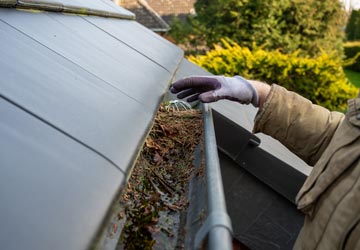
Regularly inspect and maintain gutters, drains, gullies and drainage channels around community buildings. Clearing fallen leaves, litter and other blockages can help water flow away more effectively and reduce the risk of localised flooding.
4. Protect important assets
Store essential documents, IT equipment and valuable items above ground floor level where possible. Consider how quickly important equipment could be moved if flooding was forecast.
5. Identify people who may need extra support
Think about residents who may be affected by severe weather, including older people, those with mobility issues or individuals who rely on community services. Make sure support arrangements are included in local emergency plans can help communities respond more effectively.

How technology can help communities prepare
While Environment Agency flood warnings play an important role, they do not always provide coverage for surface water flooding.
To help address this gap, Zurich Municipal works with flood forecasting specialist Previsico. Using advanced forecasting technology developed through research with Loughborough University, the Environment Agency and the UK Cabinet Office, Previsico can provide property-level forecasts and warnings for surface water flooding up to 48 hours in advance.
This extra warning time can help organisations:
- Move equipment and vehicles
- Protect important assets
- Activate emergency plans
- Prepare staff and volunteers
- Reduce disruption to local services
Organisations responsible for community buildings, parks or public facilities, get access to early warning information which can be a valuable part of a wider resilience strategy.
Building long term flood resilience
Managing flood risk is not only about responding to individual weather events, it’s also about helping communities become more resilient over the long term.
One example is the FloodAction Coalition, which brings together insurers, landowners, environmental organisations, investors and policymakers to support nature based solutions that help reduce both flooding and drought risks. These approaches include restoring wetlands, improving soil health, planting trees and reconnecting rivers with their natural floodplains. Having these measures can slow the movement of water through the landscape and help communities better manage periods of both heavy rainfall and drought.
Preparing for next summer
Flooding after a drought may seem unexpected, but it is becoming an increasingly important risk for communities across the UK. By understanding how dry conditions can contribute to flash flooding, reviewing local plans and taking practical steps now, community groups can better protect their buildings, services and the people who depend on them.
Preparation does not eliminate the risk of flooding, but it can significantly reduce the disruption caused when the wet weather returns.
At Zurich Municipal, we work with local authorities, charities and community organisations that face increasing disruption from surface water flooding. Helping communities improve preparedness and resilience is an important part of reducing both the financial and operational impacts of severe weather. Supported by our partnership with Previsico and the FloodAction Coalition, we aim to help customers take action before flooding happens.
Frequently asked questions: flash flooding after drought
Can drought increase flood risk?
Yes. Prolonged dry weather can harden the ground, making it less able to absorb rainfall. When heavy rain arrives, water can run across the surface and cause flooding.
What is surface water flooding?
Surface water flooding happens when rainfall overwhelms drains, watercourses and the ground's ability to absorb water.
Can flash flooding happen away from rivers?
Yes. Surface water flooding can occur almost anywhere, including towns and villages with no nearby river.
How can parish councils prepare for flooding?
Parish councils can review emergency plans, identify local flood hotspots, maintain drainage systems and support vulnerable residents.
What is Previsico?
Previsico provides advanced flood forecasting technology that helps organisations prepare for surface water flooding by providing warnings up to 48 hours in advance.
Who are the FloodAction Coalition?
The FloodAction Coalition is a partnership focused on reducing flood and drought risks through nature-based solutions that strengthen community resilience and protect local infrastructure.
More information
- Predicting and preventing flood impacts
- Three common types of flood explained
- Local councils report 35% increase in flash flood claims
External Sources
Sign up to our newsletter
Contact Zurich Municipal
Featured articles

Preparing for autumn and winter: Protecting your people, property and services


Students warned over deadly e-bike fire risk as incidents soar five-fold